
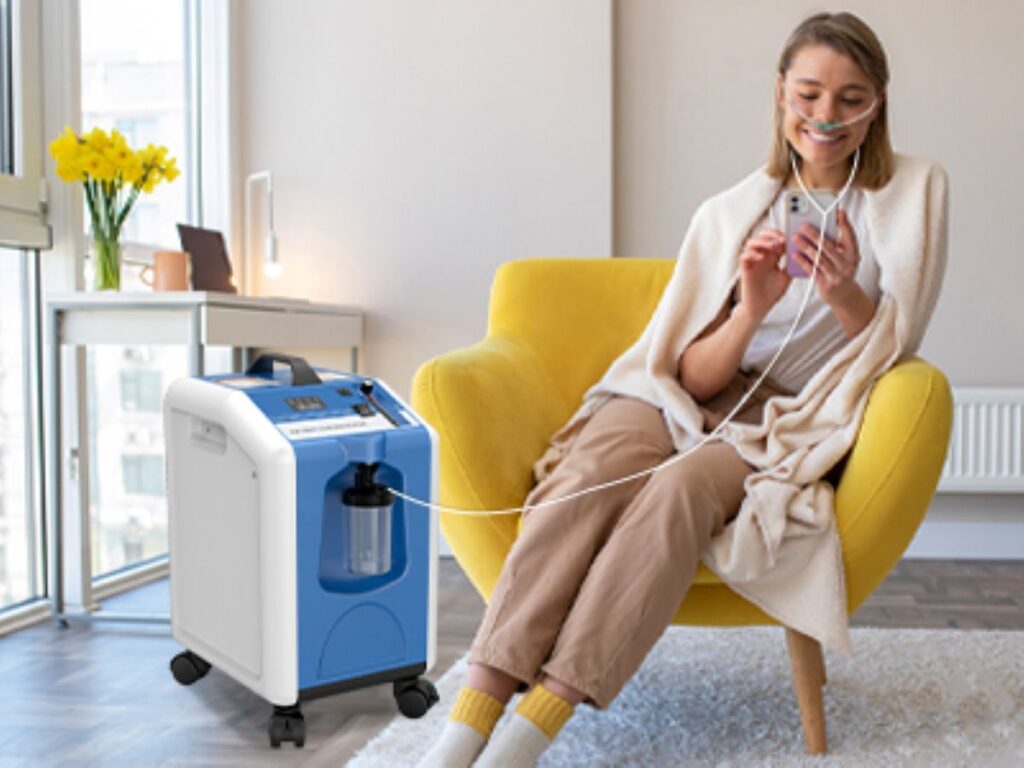
What Are the Common Pitfalls Patients and Providers Encounter When Starting Home Oxygen Therapy?
Home oxygen therapy delivers supplemental oxygen to patients whose blood oxygen levels fall below safe thresholds due to chronic respiratory conditions. This life-sustaining treatment improves quality of life, reduces hospitalisations, and extends survival for those with conditions like COPD, pulmonary fibrosis, and severe heart failure.
Despite its critical importance, starting oxygen therapy often involves navigating complex documentation requirements and insurance guidelines. Many patients and healthcare providers encounter preventable obstacles that delay treatment or result in coverage denials.
The three most significant mistakes when starting oxygen therapy include:
- Incomplete or improperly timed physician documentation that fails to meet insurance requirements
- Lack of evidence demonstrating continued medical necessity and active equipment use
- Insufficient documentation of patient mobility when prescribing portable oxygen systems
These oxygen therapy mistakes create administrative burdens, financial complications, and potential gaps in patient care. Understanding these pitfalls before initiating treatment protects both patients and providers from compliance issues whilst ensuring uninterrupted access to necessary oxygen support.
The consequences extend beyond paperwork. Inadequate documentation can trigger insurance audits, require equipment returns, or leave patients responsible for thousands of pounds in unexpected costs. Providers face claim denials and potential scrutiny of their prescribing practices.
Recognising these 3 Critical Mistakes to Avoid When Starting Home Oxygen Therapy allows healthcare teams to implement proper protocols from the outset, creating a smoother experience for everyone involved in the patient’s care journey.
What Are the Documentation Requirements for Starting Home Oxygen Therapy?
Medical necessity for home oxygen therapy hinges on comprehensive documentation that begins with a physician evaluation. No patient can legally start oxygen therapy without a qualified physician first assessing their condition and determining clinical need through objective testing.
The physician visit must occur within a strict 30-day window before therapy initiation or recertification. This timeline isn’t arbitrary—it ensures the medical assessment reflects the patient’s current respiratory status rather than outdated information. A visit conducted 31 days prior invalidates the entire claim, regardless of how thorough the evaluation might have been.
What Test Results Must Be Included?
Original blood gas or oxygen saturation test results form the cornerstone of documentation requirements. These aren’t optional supporting documents—they’re mandatory proof of medical necessity. The tests must show specific oxygen levels that meet coverage criteria:
- Arterial blood gas (ABG) showing PaO₂ ≤ 55 mm Hg or oxygen saturation ≤ 88%
- PaO₂ between 56-59 mm Hg with evidence of specific conditions (cor pulmonale, pulmonary hypertension, or erythrocythemia)
- Oxygen saturation of 89% in similar circumstances
Photocopies won’t suffice during audits. Suppliers must retain original laboratory reports or certified copies that include the testing facility’s information, date of service, and qualified provider’s credentials.
What Details Must Physician Orders Contain?
Oxygen therapy orders require far more specificity than a simple prescription. Each order must be a detailed written document containing:
- Patient’s full legal name and date of birth
- Complete diagnosis justifying oxygen need
- Specific oxygen delivery method (concentrator, liquid, compressed gas)
- Precise flow rates for rest, sleep, and exertion
- Estimated length of need (months or lifetime)
- Physician’s original signature and date
Generic orders stating “oxygen as needed” create immediate compliance problems. The physician evaluation notes must explicitly connect the test results to the prescribed therapy, explaining why the specific flow rates and delivery method were chosen for that patient’s condition.
Why Is It Crucial to Demonstrate Continued Need and Use of Oxygen Therapy?
Documented evidence of continued need prevents coverage denials and ensures patients receive uninterrupted therapy. Insurance providers require ongoing proof that oxygen therapy remains medically necessary, not just at initial prescription but throughout the treatment duration.
Many providers mistakenly believe initial approval guarantees indefinite coverage. This assumption leads to gaps in usage documentation when patients face recertification reviews. Medicare and private insurers routinely audit oxygen therapy claims, examining whether patients still meet clinical criteria months or years after starting treatment.
What Evidence Proves Ongoing Medical Necessity?
The treating physician notes must explicitly document the patient’s continued need for supplemental oxygen at regular intervals. These notes should reference:
- Current oxygen saturation levels or blood gas results
- Persistence of the qualifying medical condition
- Any changes in the patient’s respiratory status
- Confirmation that alternative treatments remain insufficient
A physician’s note stating “continue oxygen therapy” without supporting clinical data fails to meet documentation standards. Each follow-up visit should include measurable indicators demonstrating why oxygen remains essential for the patient’s health.
How Do Providers Verify Active Equipment Use?
Showing active use of equipment at home protects both patients and suppliers from compliance violations. Insurance auditors specifically look for evidence that prescribed oxygen isn’t sitting unused in a cupboard.
Documentation methods include:
- Patient self-reporting during medical appointments about daily usage hours
- Supplier delivery records showing regular refills of liquid oxygen or concentrator maintenance
- Smart monitoring data from modern oxygen concentrators tracking actual usage patterns
- Home health visit notes confirming equipment presence and proper operation
Patients who cannot demonstrate consistent use risk losing coverage, even if their medical condition still warrants oxygen therapy.
What Role Do Regular Physician Reviews Play?
Treating physicians serve as the primary gatekeepers for ongoing necessity verification. Their documentation creates the paper trail insurers require to justify continued payment for oxygen equipment and supplies.
The physician must review and document the patient’s oxygen needs at intervals specified by the payer—typically every 90 days during the first year, then annually. These reviews aren’t perfunctory check-boxes. Each assessment should evaluate whether the patient’s condition has improved enough.
How Does Patient Mobility Affect Eligibility for Portable Oxygen Systems?
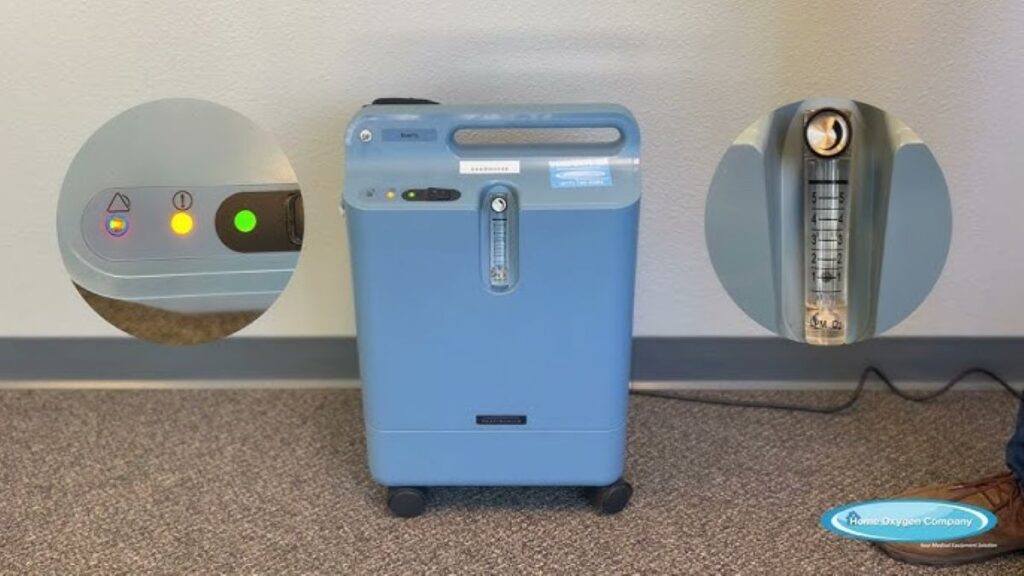
Patient mobility directly determines whether someone qualifies for portable oxygen systems rather than stationary equipment. Insurance providers require documented evidence that the patient moves around within their home environment, as portable systems are specifically designed for active individuals who need oxygen support during daily activities.
What Mobility Requirements Must Be Met?
The patient must demonstrate the ability to leave their bed or chair and move independently within their home. This includes walking to different rooms, performing household tasks, or engaging in basic self-care activities. A patient who remains primarily bedbound or chair-bound typically qualifies only for stationary oxygen concentrators, not portable systems.
Documentation should specify:
- The patient’s ability to ambulate within the home
- Frequency of movement throughout the day
- Types of activities requiring oxygen support
- Distance the patient can travel independently
When Should Qualifying Tests Be Conducted?
Oxygen tests for portable systems must be performed whilst the patient is awake and at rest or during exercise—never during sleep. This timing requirement is one of the 3 Critical Mistakes to Avoid When Starting Home Oxygen Therapy, as tests conducted during sleep cannot justify portable equipment needs.
Rest testing should occur when the patient is sitting or standing still, breathing normally. Exercise testing captures oxygen levels during physical activity that mimics the patient’s typical daily movements. Both scenarios provide accurate data about oxygen requirements during waking hours when portable systems would be used.
Why Does Proper Mobility Documentation Matter?
Inadequate mobility documentation leads to claim denials and inappropriate equipment provision. Insurance auditors scrutinise mobility assessments to verify that portable oxygen systems match the patient’s actual needs and lifestyle. Missing or vague mobility descriptions often result in coverage rejection, forcing patients to appeal or settle for less suitable equipment.
The physician’s notes must paint a clear picture of the patient’s movement patterns. Generic statements like “patient is mobile” lack the specificity required for approval. Detailed descriptions such as “patient walks to kitchen three times daily, uses bathroom independently, and performs light housework” provide the concrete evidence payers demand.
Proper documentation also protects providers from compliance risks. During audits, reviewers examine whether the prescribed equipment type aligns with documented mobility levels. Mismatches between mobility assessments and equipment provision raise concerns about medical necessity and may lead to reimbursement issues.
What Additional Compliance Considerations Should Patients and Providers Keep in Mind?
Understanding Medicare Coverage Requirements
Medicare coverage demands meticulous claims documentation that extends well beyond the initial prescription. Each claim must include comprehensive written orders specifying patient information, oxygen delivery method, prescribed flow rates, anticipated length of need, and a valid physician signature. Missing even one element can trigger claim denials or payment delays.
Staying Audit-Ready
Audit readiness requires suppliers and providers to maintain complete records of all qualifying tests, physician evaluations, and supporting documentation. These materials must remain accessible for review at any time during and after the treatment period. Many providers mistakenly discard records after receiving payment, only to face significant penalties when audits occur months or years later.
Other Resources : Mental health and wellbeing support
Common Documentation Misconceptions That Create Compliance Risks
A dangerous myth persists that recertification eliminates the need for ongoing documentation. Recertification actually increases documentation requirements rather than reducing them. Providers must continue collecting fresh physician evaluations, updated test results, and evidence of continued medical necessity at each recertification interval.
Another misconception involves suppliers believing they don’t need copies of oxygen saturation scores or blood gas results. Suppliers share equal responsibility for maintaining complete documentation packages. When auditors request records, they expect suppliers to produce the same comprehensive files as ordering physicians.
Understanding the Capped Rental Period
Medicare reimburses oxygen equipment on a capped rental basis spanning 36 months. Many providers assume documentation requirements end when the rental cap is reached. The opposite is true—if therapy continues beyond 36 months, documentation must persist at the same rigorous standard.
During months 1-36, providers receive monthly rental payments contingent upon:
- Current physician orders remaining valid
- Documented evidence of ongoing medical necessity
- Proof of patient compliance and equipment use
- Updated test results at prescribed intervals
After month 36, suppliers must continue servicing equipment whilst maintaining identical documentation standards. The rental payments may cease, but the compliance obligations remain active throughout the entire therapy duration.
Critical Record-Keeping Requirements
Providers should implement systematic retention protocols covering:
- Original test results from qualified laboratories showing oxygen levels
- Physician visit notes documenting clinical assessments and medical justification
- Signed written orders with all required elements completed
How Can Patients and Providers Ensure Effective Home Oxygen Therapy Management?
Successful home oxygen therapy depends on three interconnected elements: careful record-keeping, strict adherence to medical guidelines, and regular communication between everyone involved. When patients and providers collaborate to avoid errors in these areas, they lay the groundwork for both optimal health outcomes and smooth insurance approval.
1. The Importance of Documentation
Documentation is crucial for effective home oxygen therapy management. It serves as the foundation upon which all decisions and actions are based. Every test result, physician note, and equipment order must be recorded and kept safe. Providers should have detailed files that include:
- Original blood gas or oxygen saturation test results
- Thorough physician evaluations conducted within required timeframes
- Written orders with complete patient information and equipment specifications
- Evidence of ongoing need through regular follow-up assessments
- Mobility documentation for portable system qualifications
2. The Role of Communication
Communication is essential for bridging the gap between clinical need and coverage approval. Patients must inform their healthcare team about any changes in their condition, equipment usage patterns, or mobility status. Providers need to communicate clearly with suppliers about specific oxygen requirements. Suppliers should maintain open channels with payers to clarify documentation requirements before submitting claims.
3. Avoiding Critical Mistakes
There are three critical mistakes that can be avoided when starting home oxygen therapy: inadequate documentation, failure to demonstrate continued use, and insufficient mobility verification. These errors can have serious consequences such as claim denials or therapy interruptions.
To prevent these mistakes from happening, it is important to establish systematic processes:
- Establish regular review schedules to ensure nothing falls through the cracks.
- Set calendar reminders for recertification deadlines to keep documentation current.
- Create checklists for required paperwork to avoid missing crucial elements.
4. Proactive Management
Proactive management is key in preventing reactive problems. Instead of waiting for claim denials or audit requests, providers should conduct internal reviews of their documentation practices. This allows them to identify any potential issues before they become bigger problems.
Patients also play a role in this process by understanding their responsibilities:
- Keeping appointments for oxygen level testing
- Reporting any equipment issues promptly
By being proactive, both providers and patients can work together to ensure effective home oxygen therapy management. Check out more about why a high-quality CPAP machine is your best investment for sleep apnea.
5. Viewing Compliance as a Patient Care Tool
Effective home oxygen therapy management requires viewing compliance not as an inconvenience but as a tool for improving patient care. Proper documentation protects patients from therapy interruptions while ensuring providers receive appropriate reimbursement.
When everyone involved understands their roles and maintains consistent communication, home oxygen therapy can deliver its intended benefits without any administrative complications.
FAQs (Frequently Asked Questions)
What are the common pitfalls patients and providers encounter when starting home oxygen therapy?
Common pitfalls include inadequate documentation, failure to conduct timely physician evaluations, and misunderstanding equipment needs. Avoiding these mistakes ensures effective therapy initiation and compliance with medical guidelines.
What documentation is required before starting home oxygen therapy?
A physician’s evaluation must be conducted within 30 days prior to therapy or recertification. Original blood gas or oxygen saturation test results are necessary to verify medical necessity. Detailed written orders should include patient information, oxygen delivery method, flow rates, length of need, and the physician’s signature.
Why is it crucial to demonstrate continued need and use of oxygen therapy?
Demonstrating ongoing medical necessity through documented evidence, active equipment use at home, and regular physician notes is essential for compliance with insurance guidelines and continued coverage of home oxygen therapy.
How does patient mobility affect eligibility for portable oxygen systems?
Eligibility for portable oxygen systems depends on the patient’s mobility within the home. Oxygen tests must be performed while the patient is awake and either at rest or during exercise—not during sleep—to properly document mobility and ensure correct equipment provision and coverage eligibility.
What additional compliance considerations should patients and providers keep in mind for home oxygen therapy?
Medicare requires detailed claims documentation with retention of all test results and physician notes for audit readiness. Providers should be aware of capped rental periods (typically 36 months) and understand that ongoing documentation is needed if therapy continues beyond this timeframe to avoid compliance risks.
How can patients and providers ensure effective home oxygen therapy management?
Effective management involves thorough documentation, strict compliance with medical and insurance requirements, and ongoing communication between patients, providers, and payers to optimise patient care and secure insurance approval.