
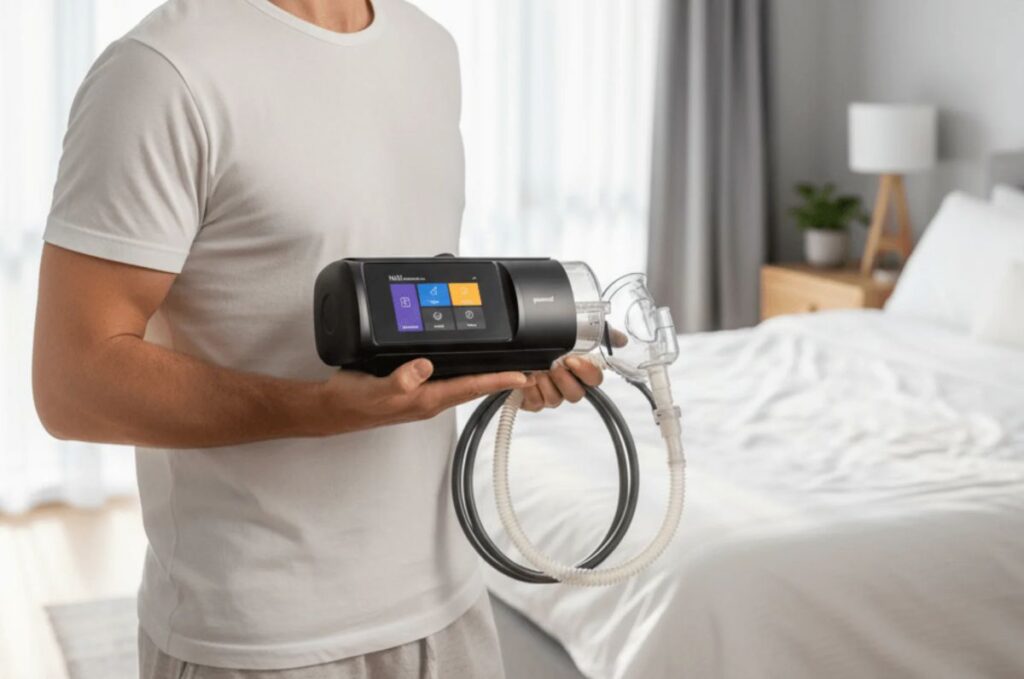
Is a High-Quality CPAP Machine Really Worth the Investment for Sleep Apnoea Treatment?
Yes, a high-quality CPAP machine represents one of the most valuable investments you can make for managing sleep apnoea. The condition affects between 10-30% of the population, making it a widespread health concern that disrupts lives daily through interrupted breathing, chronic fatigue, and serious long-term health complications.
Obstructive sleep apnoea occurs when throat muscles relax excessively during sleep, causing the airway to collapse. This leads to repeated breathing interruptions throughout the night—sometimes hundreds of times. The immediate effects include loud snoring, gasping for air, and fragmented sleep patterns. Left untreated, OSA contributes to cardiovascular disease, stroke, diabetes, depression, and significantly diminished quality of life.
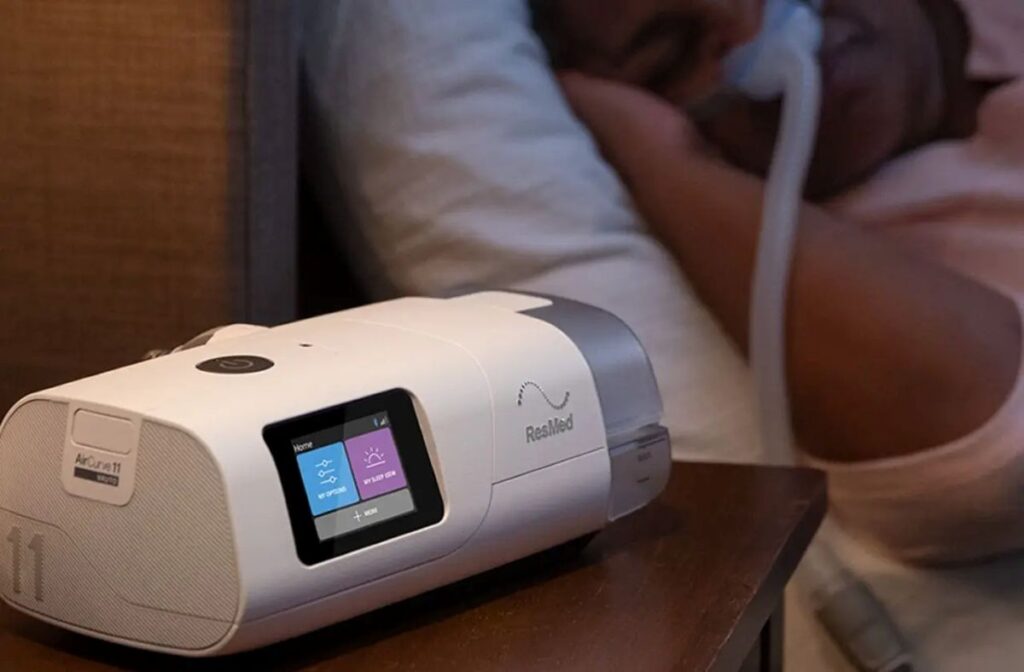
A high-quality CPAP machine addresses these issues by delivering steady pressurised air through a mask, keeping your airway open throughout the night. This simple yet effective mechanism prevents tissue collapse and ensures continuous breathing, allowing your body to experience the restorative sleep it desperately needs.
What This Article Will Cover
Understanding why a high-quality CPAP machine is your best investment for sleep apnoea requires examining several critical factors:
- Quality features that distinguish premium machines from budget alternatives
- Sleep outcome improvements you can expect with consistent use
- Long-term health benefits extending beyond better sleep
- Cost considerations and why quality pays for itself
- Alternative treatments and how they compare to CPAP therapy
This comprehensive guide will equip you with the knowledge needed to make a confident decision about investing in CPAP therapy. The right machine doesn’t just treat a medical condition—it transforms your daily life, energy levels, and long-term health trajectory.
What Are the Key Features That Make a CPAP Machine Stand Out in Terms of Quality?
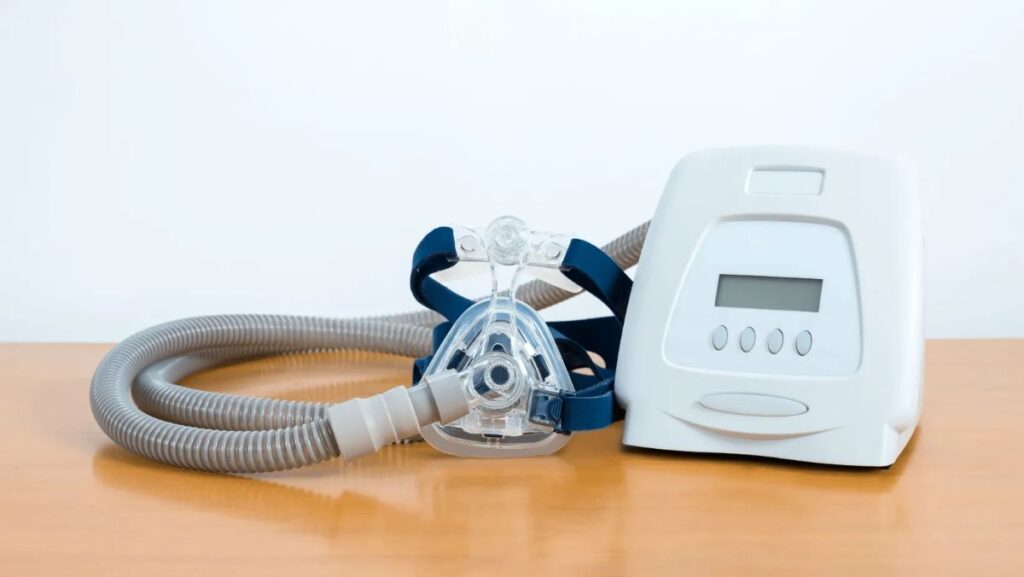
Durable CPAP machines separate themselves from budget alternatives through construction quality and longevity. High-quality devices typically last between 5 to 10 years with proper maintenance, whilst cheaper models may require replacement within 2 to 3 years. The motor, housing materials, and internal components in premium units withstand nightly use without degrading performance. This extended lifespan means fewer replacements and lower costs over time.
Build Quality and Longevity Matter
The motor represents the heart of any reliable CPAP device. Premium machines feature robust motors engineered for thousands of hours of continuous operation. These motors maintain consistent pressure delivery year after year, ensuring your therapy remains effective throughout the device’s lifespan. Cheaper alternatives often use lower-grade motors that lose pressure consistency within months, compromising treatment effectiveness.
Housing materials also indicate quality. Medical-grade plastics resist wear, cracking, and discolouration better than standard materials. Reinforced seals and gaskets prevent air leaks that can develop in poorly constructed units. These seemingly minor details directly impact whether your machine performs reliably night after night.
Advanced Features Transform the User Experience
Advanced CPAP features distinguish premium devices from basic models. Heated humidifiers address one of the most common complaints amongst CPAP users: dry mouth and nasal passages. These integrated systems warm and moisturise the air before delivery, significantly improving comfort during therapy. Many users who struggled with basic machines find heated humidification makes CPAP therapy tolerable and even comfortable.
Auto-adjusting pressure settings represent another game-changing feature. Rather than delivering constant pressure throughout the night, these intelligent systems monitor your breathing patterns and adjust pressure in real-time. When you need more support, the machine increases pressure automatically. During periods of stable breathing, it reduces pressure to minimum therapeutic levels. This dynamic adjustment reduces side effects like aerophagia (air swallowing) whilst maintaining effective therapy.
Built-in connectivity options bring CPAP therapy into the digital age:
- Remote monitoring allows your sleep specialist to review therapy data without requiring clinic visits
- Smartphone apps provide detailed sleep reports, showing exactly how many apnoea events occurred each night.
How Does Using a High-Quality CPAP Machine Consistently Lead to Better Sleep Outcomes?
A high-quality CPAP machine maintains improved sleep quality by delivering a continuous stream of pressurised air that acts as a pneumatic splint for your airway. The steady pressure prevents the soft tissues in your throat from collapsing inward during sleep, which is the primary cause of breathing interruptions in obstructive sleep apnoea.
The Science Behind Uninterrupted Breathing
When you wear a properly fitted CPAP mask, the device monitors your breathing patterns and maintains optimal pressure levels throughout the night. This constant airflow keeps your upper airway passages open, eliminating the repeated cycles of oxygen deprivation that characterise untreated sleep apnoea. Each breath remains full and complete, allowing your body to maintain proper oxygen saturation levels without the brain needing to trigger emergency wake-up signals.
Reduced snoring becomes one of the most immediate and noticeable benefits. Snoring occurs when partially blocked airways cause tissue vibrations during breathing. Since CPAP therapy prevents airway collapse entirely, the vibrations that create snoring sounds simply cannot occur. Many users report that their partners notice this improvement within the first few nights of treatment. You may like to visit https://www.healthdirect.gov.au/how-to-stop-snoring to get how to stop snoring.
Deeper Sleep Architecture and Restorative Cycles
Uninterrupted breathing allows your body to progress through complete sleep cycles without disruption. Untreated sleep apnoea fragments your sleep by forcing micro-awakenings—often dozens or even hundreds per night—that you may not consciously remember. These interruptions prevent you from spending adequate time in the deeper stages of sleep, particularly REM (rapid eye movement) and slow-wave sleep.
With consistent CPAP use, your brain can finally complete these essential sleep stages:
- Stage 3 (Deep Sleep): Physical restoration occurs, including tissue repair, immune system strengthening, and energy replenishment
- REM Sleep: Memory consolidation, emotional processing, and cognitive function maintenance take place
- Full Cycle Completion: Your body naturally transitions between sleep stages without forced awakenings
Research demonstrates that CPAP users typically experience a 40-60% reduction in sleep fragmentation within the first week of treatment. This dramatic improvement translates directly into feeling genuinely refreshed upon waking up—a stark contrast to the grogginess often associated with untreated sleep apnoea.
What Are the Long-Term Health Benefits Associated with Regular Use of a High-Quality CPAP Machine?
Regular CPAP therapy delivers profound health benefits of CPAP therapy that extend far beyond simply sleeping better at night. Consistent use protects your cardiovascular system, sharpens mental clarity, and stabilises emotional well-being in ways that compound over months and years.
Cardiovascular Protection Through Nightly Treatment
Heart health improvement ranks among the most significant advantages of sustained CPAP use. Untreated sleep apnoea forces your cardiovascular system into crisis mode repeatedly throughout the night—each breathing pause triggers a stress response that spikes blood pressure and strains your heart.
High-quality CPAP machines eliminate these nightly assaults on your circulatory system. Studies demonstrate that consistent users experience:
- Lower blood pressure readings that often reduce or eliminate the need for hypertensive medications
- Decreased risk of atrial fibrillation and other dangerous heart rhythm disturbances
- Reduced likelihood of heart attack by up to 30% compared to untreated individuals
- Lower stroke risk through improved oxygen delivery and reduced vascular inflammation
The cardiovascular benefits accumulate progressively. Patients who maintain CPAP therapy for five years or longer show markedly better heart health outcomes than those who use their machines sporadically or abandon treatment entirely.
Mental Clarity and Cognitive Enhancement
Sleep fragmentation caused by untreated apnoea literally starves your brain of oxygen hundreds of times per night. This oxygen deprivation damages neural pathways responsible for memory formation, decision-making, and information processing.
Cognitive function enhancement becomes apparent within weeks of starting CPAP therapy. Users report sharper focus during complex tasks, improved memory recall, and faster problem-solving abilities. Brain imaging studies reveal that consistent CPAP use can actually reverse some of the structural brain changes caused by chronic sleep apnoea.
The cognitive improvements manifest in practical ways:
- Enhanced work performance and productivity
- Better retention of new information and skills
- Improved reaction times whilst driving
- Reduced risk of workplace accidents and errors
These mental benefits prove particularly valuable for professionals whose careers depend on sustained concentration and quick thinking.
Emotional Stability and Mood Regulation
Why Should Cost Considerations Not Deter Individuals from Investing in a High-Quality CPAP Machine?
A high-quality CPAP machine typically pays for itself within 2-3 years through reduced medical expenses and avoided replacement costs. The cost-effective nature of quality CPAP machines becomes evident when comparing the total ownership expenses over a 5-10 year lifespan versus budget alternatives that often require replacement every 1-2 years.
The True Cost of Cheap CPAP Devices
Budget CPAP machines may seem appealing with prices £200-£400 lower than premium models, but this initial saving quickly disappears. Repair costs associated with low-quality devices add up quickly, with common problems including motor failures, pressure inconsistencies, and malfunctioning humidifiers. A single motor replacement can cost £150-£300, while pressure sensor repairs often exceed £100.
Low-quality machines often break down after 12-18 months of nightly use. Replacing a £400 device every two years costs £2,000 over a decade, compared to £800-£1,200 for a single premium machine lasting 8-10 years. The numbers strongly favour quality investment.
Hidden Expenses of Unreliable Equipment
Poorly made CPAP machines create additional costs beyond the device itself:
- Increased mask replacements: Inconsistent pressure delivery causes excessive wear on masks and seals, requiring replacements every 2-3 months instead of 6-12 months
- Higher electricity consumption: Inefficient motors can use 30-50% more power, adding £30-£50 annually to energy bills
- Additional medical appointments: Ineffective therapy necessitates more frequent doctor visits for symptom management and equipment troubleshooting
- Lost productivity: Poor sleep quality from malfunctioning equipment translates to missed work days and reduced performance
Warranty Protection as Financial Security
Premium CPAP manufacturers typically offer 3-5 year warranties covering parts, labour, and sometimes full replacement. Budget brands often provide only 12-month coverage with numerous exclusions. A comprehensive warranty eliminates unexpected repair expenses during the coverage period, providing genuine peace of mind. Click here to get more about 3 critical mistakes to avoid when starting home oxygen therapy.
Are There Viable Alternatives to Consider Besides Using a High-Quality CPAP Machine for Sleep Apnoea Management?
Yes, several alternatives exist, but their effectiveness varies significantly based on OSA severity.
Oral Appliances
Oral appliances for OSA treatment work by repositioning the jaw forward during sleep to prevent airway collapse. These custom-fitted devices, similar to sports mouthguards, hold the lower jaw in a slightly advanced position to maintain an open airway. Dentists specialising in sleep medicine typically fit these appliances, which require periodic adjustments to ensure optimal positioning.
Positional Therapy
Positional therapy techniques represent another non-CPAP approach for managing sleep apnoea. This method addresses the fact that many people experience more severe breathing interruptions when sleeping on their backs. Special devices, from tennis balls sewn into pyjama backs to sophisticated vibrating positional alarms, encourage side-sleeping throughout the night. Some individuals find relief simply by elevating the head of their bed or using specialised pillows designed to maintain side-sleeping positions.
Lifestyle Modifications as Complementary Approaches
Weight loss stands as one of the most impactful lifestyle changes for OSA management. Excess weight, particularly around the neck, contributes directly to airway obstruction during sleep. Studies show that losing even 10% of body weight can significantly reduce apnoea severity in overweight individuals. Avoiding alcohol consumption within three hours of bedtime also helps, as alcohol relaxes throat muscles and increases the likelihood of airway collapse.
Smoking cessation offers additional benefits. Smoking inflames and swells the upper airway, narrowing the passage and making obstruction more likely. Quitting can reduce this inflammation and improve overall respiratory health.
Surgical Options for Specific Cases
Surgical interventions address anatomical issues contributing to sleep apnoea. Procedures range from removing excess tissue in the throat (uvulopalatopharyngoplasty) to repositioning the jaw (maxillomandibular advancement). Nasal surgery can correct structural problems like deviated septums that restrict airflow. These options typically suit individuals with specific physical abnormalities causing their OSA rather than serving as first-line treatments.
The Reality of Alternative Effectiveness
Oral appliances demonstrate success rates of 50-70% for mild to moderate cases of OSA, while positional therapy’s impact largely depends on individual sleeping habits and adherence to techniques. It’s important to note that these alternatives may not be as effective as CPAP for everyone, particularly those with severe OSA.
Conclusion
A high-quality CPAP machine represents one of the most valuable investments you can make for managing sleep apnoea effectively. The benefits of quality CPAP machines extend far beyond simply treating breathing interruptions during sleep—they include improved heart health, better brain function, stable mood, and increased energy levels throughout the day, all contributing to your overall well-being.
The evidence supporting why a high-quality CPAP machine is your best investment for sleep apnoea becomes clear when you consider the complete picture:
- Durability that ensures 5-10 years of reliable performance
- Cost-effectiveness through reduced repair and replacement expenses
- Advanced comfort features including heated humidifiers and auto-adjusting pressure settings
- Comprehensive health protection against heart disease, stroke, and other serious conditions
- Enhanced quality of life through restorative sleep and daytime alertness
Your specific needs matter when selecting a CPAP device. Consider factors such as mask comfort, noise levels, portability requirements, and connectivity options that align with your lifestyle. A machine that suits your preferences increases the likelihood of consistent use, which directly correlates with better treatment outcomes.
The initial investment might seem substantial, yet the long-term value—measured in improved health, reduced medical costs, and enhanced daily functioning—far outweighs the upfront expense. Your sleep apnoea deserves effective treatment, and a high-quality CPAP machine delivers results that cheaper alternatives simply cannot match.
Take time to research models, consult with your healthcare provider, and test different options before making your decision. The right CPAP machine becomes more than medical equipment—it becomes your partner in achieving the restful, restorative sleep your body needs to thrive.
FAQs (Frequently Asked Questions)
Is investing in a high-quality CPAP machine truly beneficial for managing obstructive sleep apnea (OSA)?
Yes, investing in a high-quality CPAP machine is highly beneficial for managing OSA effectively. Given the prevalence of OSA and its significant impact on health and well-being, a durable and advanced CPAP device ensures consistent therapy, leading to improved sleep quality and overall health outcomes.
What key features should I look for in a high-quality CPAP machine?
When choosing a high-quality CPAP machine, look for durability and a long expected lifespan, advanced features like heated humidifiers, auto-adjusting pressure settings, and built-in connectivity options. Additionally, a strong warranty provides peace of mind and adds value to your investment.
How does consistent use of a high-quality CPAP machine improve sleep outcomes?
A high-quality CPAP machine delivers steady pressurized air that keeps the airway open during sleep, reducing breathing interruptions and snoring. This mechanism promotes deeper, more restorative sleep cycles and enhances daytime alertness.
What are the long-term health benefits of regularly using a high-quality CPAP machine?
Regular use of a high-quality CPAP machine can lead to significant cardiovascular benefits such as lower blood pressure and reduced risk of heart disease or stroke. Improved sleep quality also contributes to better mood stability, enhanced cognitive function, and increased energy levels throughout the day.
Should the cost deter me from investing in a high-quality CPAP machine?
Cost should not deter you from investing in a high-quality CPAP machine. While initial costs may be higher than cheaper alternatives, durable and reliable machines are more cost-effective over time by reducing repair expenses and ensuring effective therapy.
Are there alternative treatments to using a high-quality CPAP machine for sleep apnea management?
Alternatives such as oral appliances that reposition the jaw during sleep or positional therapy encouraging side sleeping exist. However, these options are generally less effective than properly calibrated high-quality CPAP machines, especially for individuals with moderate to severe obstructive sleep apnea.